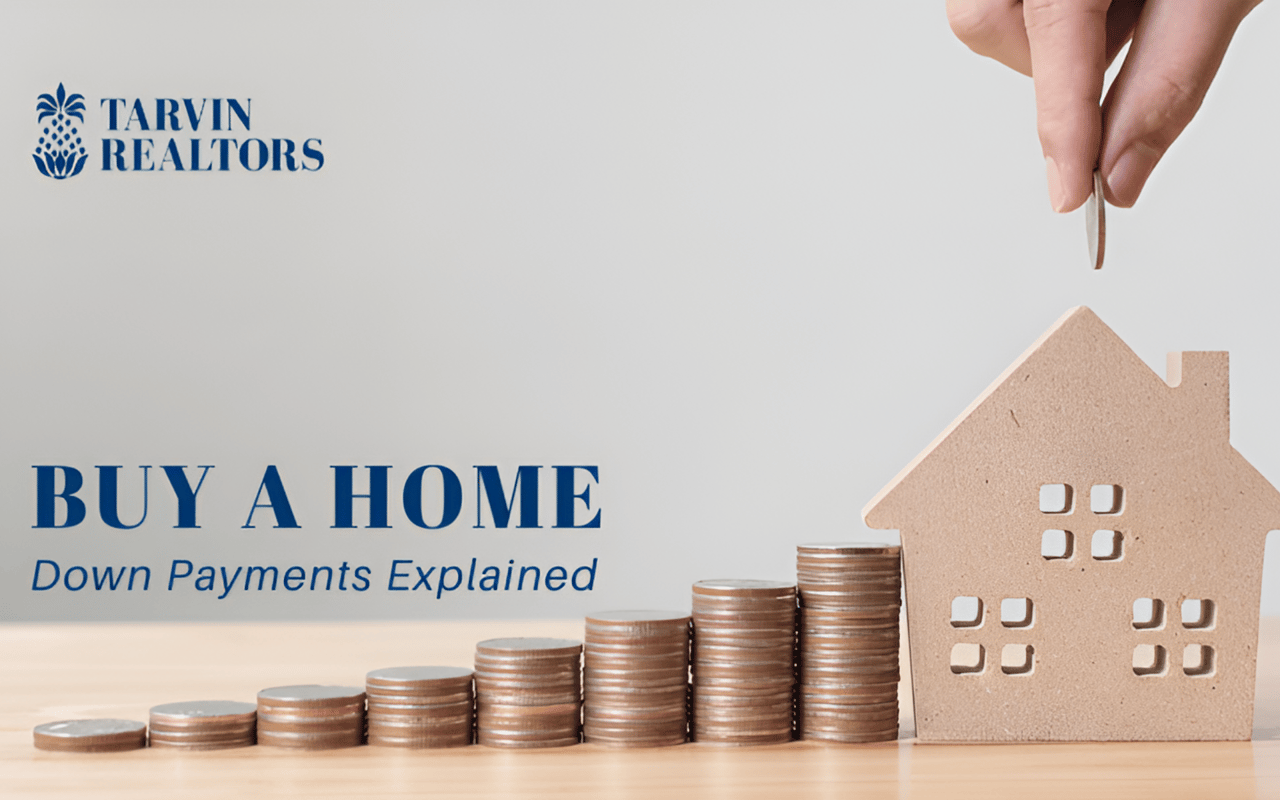
Think it's impossible to buy one of these Ridgewood homes for sale unless you have 20% saved up? Well, maybe not.
A 20% down payment on a new home has always been the standard guideline. Saving enough reserves can be the single notable hurdle for prospective homebuyers. But it shouldn't have to be. You don't have to make a 20% down payment in today's real estate market. The only downside is that you'll have to pay mortgage insurance without 20% down, which is not necessarily a bad thing.
Low Down Payment Loan Programs
VA Loan
Do you have a history of military service? Then you might qualify for 100% financing, or 0% down, with a loan guaranteed by the U.S. Department of Veterans Affairs. VA loans help veterans, active duty service members, and eligible surviving spouses buy a home with no down payment.
USDA Loan
Like VA loans, USDA loans have no down payment requirements. As defined by the USDA, you'll have to buy a home in an eligible rural area. But this doesn't mean you're restricted to farmland. USDA loans are available for homes in small towns, and anywhere that isn't a densely populated city.
Conventional Loan
Conventional loans start at 3% down. However, these loans have higher FICO score requirements, meaning you'll need a credit score of 620 or higher to qualify. That said, you'll have to purchase mortgage insurance, which can only be canceled once you reach 20 percent equity.
FHA Loan
Loans backed by the Federal Housing Administration command as little as 3.5% down. In addition, they have fewer restrictions for buyers with a lower credit score. But most lenders will require a credit score of 580 or higher.
On the whole, you don't need a 20% down payment to lock down the house of your dreams. However, there are downsides to this plan. For one, you might end up paying higher interest rates on the house, which translates to you paying more over the life of the loan. You'll also have to purchase mortgage insurance to offset the lender's risk in loaning you money.
Understanding Down Payments
How much is the right amount for a down payment?
It's not a good idea to deplete your savings just to buy a house. In such a situation, you'll have plenty of money on paper, but little cash available for everyday expenses, let alone emergencies. On the other hand, you shouldn't pay so little for a down payment as this will cost you in interest and fees over time.
Remember: a low down payment isn't right for everyone. Ultimately, the size of your down payment should depend on several factors: your savings, income, and budget.
As a first-time buyer, the home-buying journey can get overwhelming, so you'll need as much guidance as possible. Our agents can help you navigate the complexities of buying a home and ensure you get a dream home that fits your needs and budget. Contact us today to get started.