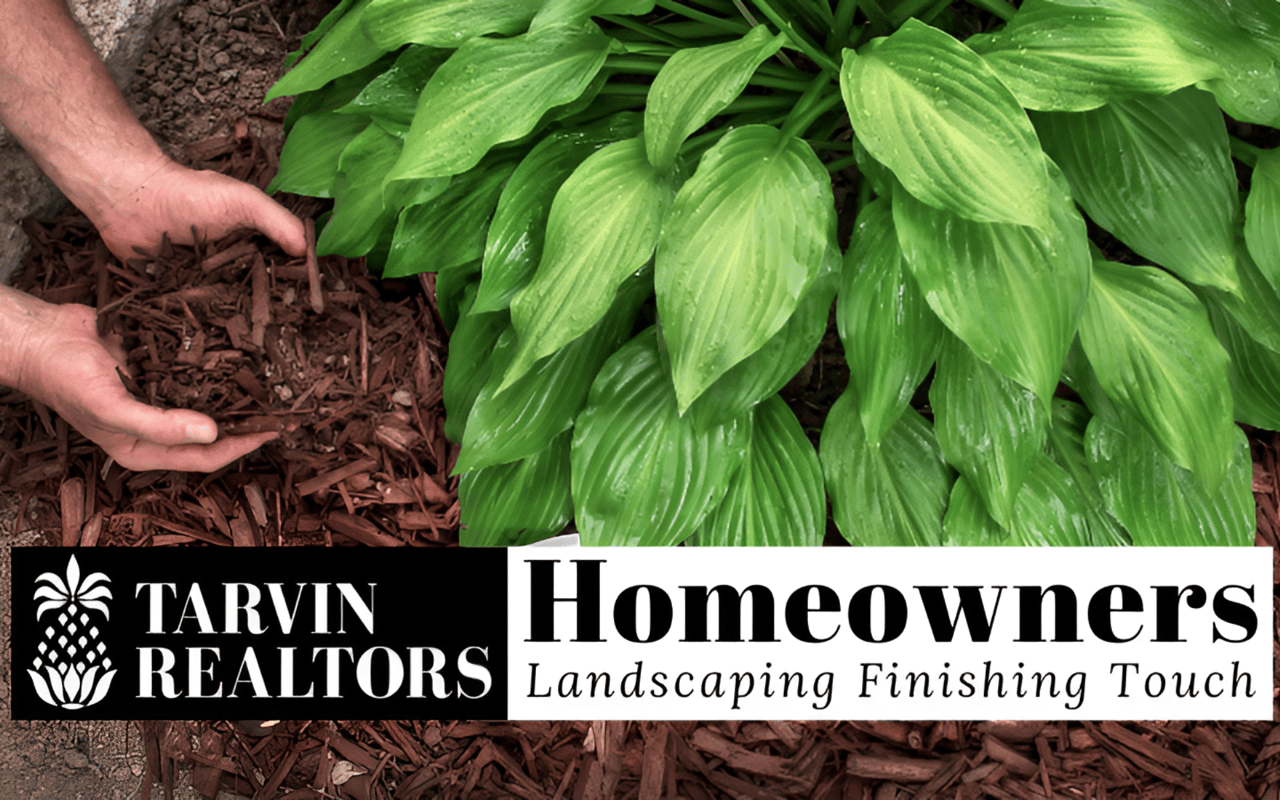
Ah, mulch. If some kind of wonder material in the landscape exists, it's mulch – that course jumble of ground-up stuff that not only gives your yard a finished look but also helps it prosper season after season. Looking to make your dream home from Ridgewood homes for sale a standout? Our agents recommend mulch as the finishing touch.
But not all mulch is equal. If you're wondering how to choose the right kind of mulch, here's some advice.
Mulch Basics
There are two types of mulch: organic and inorganic. Organic mulches are made of natural materials such as leaves, grass clippings, compost mix, cardboard and newspaper, bark, and softwood and hardwood chips – all of which decompose. When layered on top of the bedding areas, they break down and boost soil fertility, as well as provide drainage and aeration. They must be replenished regularly.
Organic mulch is typically softwood or hardwood byproducts, including chips, nuggets, and bark. They're aged and dried and might be dyed red or black for decorative purposes. Softwood, typically pine, is used around large trees and shrubs because it's more acidic and takes longer to decay, while hardwood is typically used around trees, shrubs, and perennial beds.
Inorganic mulches include stone, rock, pulverized rubber, landscaping fabrics, lava rock, crusher dust, and other manmade materials. These materials are designed to be decorative and control weeds, but they also absorb and reflect heat, thus warming the soil and allowing early spring planting. However, they can warm things up too much, so use with care during hot, dry times.
Best Uses for Each Type of Mulch
-
Shredded newspaper or cardboard – This works well as a weed suppressant. Lay down two or three layers, then cover them with leaves or grass clippings. Note: colored newsprint and coated cardboard don't decompose as quickly as black and white newsprint and non-coated cardboard.
-
Shredded leaves and grass clippings – Use fallen leaves in vegetable and perennial beds. They work best if you mow them and put them in the beds at the end of the growing season. Don't create thick layers, or the leaves/grass will form a mat. Also, avoid adding lawn clippings exposed to herbicides/pesticides.
-
Cocoa mulch – Used mainly for its decorative qualities and nice scent, cocoa mulch is a more expensive option. It's lightweight and decomposes quickly. Avoid using it if you have pets or wildlife, as chocolate and byproducts can kill animals.
-
Straw – Used as a light mulch for newly seeded lawns, straw mulch derives from wheat, barley, or oats. It keeps grass seed from washing away while conserving moisture.
- Landscape film or fabric – Plastic polyethylene film keeps water and other nutrients from passing through, so it's an ideal weed killer for the short term. You'll have to install an irrigation system or water plants by hand, then remove plastic at the end of the growing season, plus plan on replacing it next year. Landscape fabric suppresses weeds but lets in air and water. Top it off with wood chips.
Ground Covers
Another option for covering up space beneath trees and shrubs is ground cover plants. You will need to determine how much coverage the plants will provide when they're mature. Also, determine if your location will offer the plants the right sunlight. Be prepared to weed them if need be and to replace damaged plants.
Need more advice for creating that finishing touch for your landscaping? Contact us today.