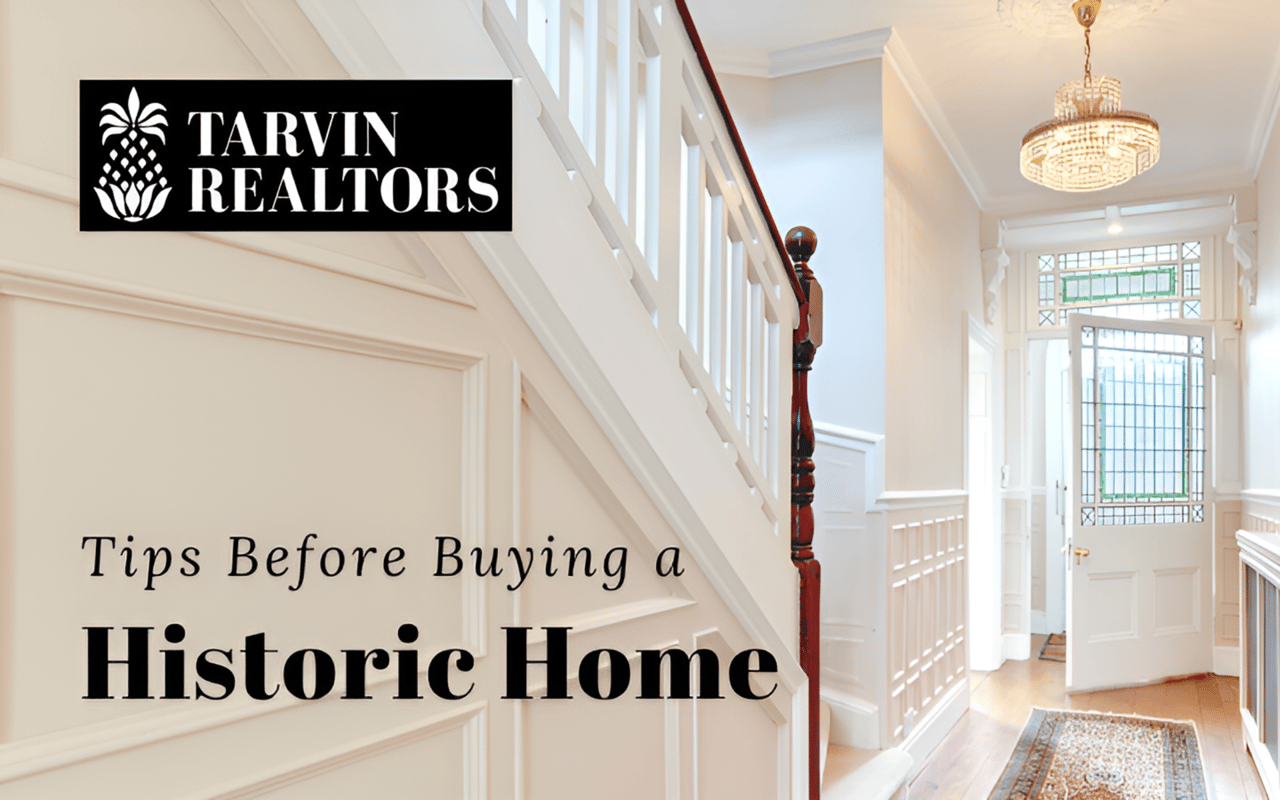
Historic homes have a certain charm to them, don't they? Like these Ridgewood homes for sale, vintage homes represent the best of architectural style, be it Victorian, Queen Anne, or Gothic Renewal.
The allure of older homes is undeniable. But you need to get it right. Otherwise, you might end up with a money pit in need of endless repairs.
If you're in love with a historic home, here's a little guide detailing everything you need to know before buying an old house.
1. Get an Inspection (or Two)
Things can get expensive fast. A home inspection is a fundamental part of any home-buying process. But the stakes are even higher with an old house, and a basic inspection may not be enough.
Sadly, some homes are beyond salvageable and would require more rehabilitation than they're worth. Finding an inspector who specializes in historic homes could give you the reassurance you need.
2. Potential Tax Benefits and Incentives
By buying a historic home, you become a steward of your country's past. As a result, there are certain tax incentives available to owners of historic homes that can help in their preservation and rehabilitation.
From lower interest loans to tax credits, there are plenty of federal, state, and local government programs that can help you purchase and preserve an older home.
3. Historic Homes Often Require a Lot of Work
In the market for an old house? You better have a toolkit ready. Renovations will take longer and might cost more. Getting an older home up to standard is not your typical home improvement project.
Some historic districts come with strict rules. For example, you might be required to apply for permits before making any add-ons or changes that affect the home's exterior appearance. Not to mention the use of historically authentic materials doesn't come cheap.
4. Figure Out Financing and Insurance
Financing a historic home purchase is a tad bit more complicated. Some lenders shy away from historic homes because renovations can be pretty costly. And your home insurance might cost more.
Older homes are rarely in tip-top shape. They might require costly repairs and sometimes could have structural issues. Luckily, there are insurance companies and some government-insured loan programs that can help you buy and renovate an older home in one fell swoop.
6. Historic Districts Can Protect Your Home's Value
Historic districts can enhance the value of your home with time, and they typically maintain their value even in periods of economic downturn.
These locations are packed with history precisely because of the rules and regulations that govern their renovations. Since all homes are held to similar requirements, you don't have to worry about your neighbor's renovations depressing the value of your home.
7. You're Helping Keep History Alive
Purchasing a historic home is a great way to contribute to the preservation of a historical treasure. Restoring an old home to its former glory is a dream come true for many history buffs. Not only are you preserving an essential aspect of history, but you're also giving it a new life.
The right home in the right district could be well worth your money and time. Just be careful and do your research.
The Takeaway? Charm, But At A Cost
From elaborate scrollwork to wide pine floors and intricately carved moldings, older homes are full of character that you seldom find in newer establishments. And they give you a chance to own a piece of history, particularly if it's located in a historic district.
If you're ready to take on a historic home, you'll need the right real estate agent to guide you through the process. Fortunately, our agents are well up to the task. Contact us and let us guide you on your home buying journey.