Having a healthy home is important for your physical health, especially if you're sensitive to indoor contaminants. What exactly do you need to look for in a healthy home? Here is a quick rundown from our real estate agents of what that includes, whether in your existing home or one you're looking to buy.
Smoke
For decades it was customary to smoke indoors, but now we recognize that cigarette smoke is an indoor pollutant that can be very dangerous to someone with asthma or allergies. In addition to causing respiratory issues, smoke can cause damage and discoloration to furniture, walls, and other belongings. A home inspection can detect contaminants like this, which is why it's an important step in the home-buying process.
Carbon Monoxide
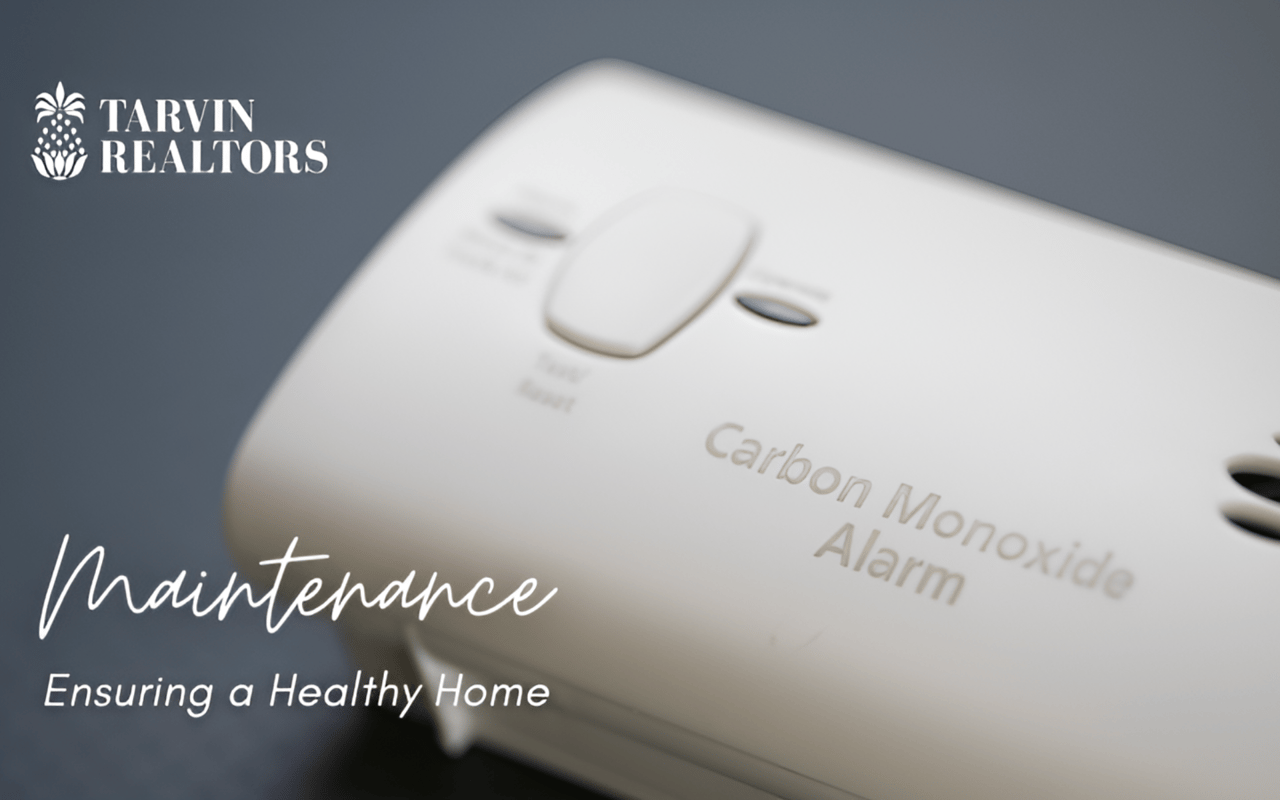
If your furnace, water heater, or other fuel-burning appliance is not operating correctly, it could release potentially lethal amounts of carbon monoxide (CO) into the home. Because CO isn't detectable by the human senses, it's possible to get CO poisoning without even realizing it. CO poisoning can cause flu-like symptoms initially, making people think they're just sick. Ridgewood homes for sale should always have at least one carbon monoxide detector installed, especially near the bedrooms. If your home doesn't have one, visit the EPA's page on installing and maintaining a CO detector.
Mold
In extreme cases, you may be able to smell mold in a home, but don't assume that just because you can't, the home is mold-free. If you suspect mold, such as finding a leak or evidence of moisture damage, you can check for mold using a test from the hardware store. Mold in your home can cause respiratory illness as well as other health problems, so it's worth checking for. To reduce the chances of mold in your home, keep your roof and siding in good repair, address any leaks immediately, keep your bathrooms and showers clean, and if you live in a humid area, run a dehumidifier. For more information, visit the CDC page on mold.
Radon
Radon is another contaminant undetectable by the human senses but can cause health problems with long-term exposure. Before purchasing a house, radon testing is typically recommended as part of your home inspection, and mitigation for high readings can be worked into the final contract if desired. Radon mitigation systems draw the radon from the ground underneath your home and vent it outside. Click here for a copy of the EPA's Guide to Radon Reduction.
Lead Paint and Asbestos
For the most part, lead paint and asbestos is fine as long as you don't start uncovering them, but if paint, floor tiles, popcorn ceiling, or other potentially dangerous materials are chipping or crumbling, or if you intend to remodel the home, it can become an issue. If you see concerning damage or are thinking of remodeling, you can have your home tested, especially as part of the home inspection process. Click here to find out more about lead paint and sources of asbestos.
A healthy home means a safe home for you and your family, so paying attention to these important contaminants is critical. For more information about your rights to inspection as a homebuyer or help navigating the selling or buying process, contact us today.